
Identify hidden water loss and verify the value of corrective action.
Most condominium corporations in Toronto and the GTA buy water through a single bulk meter, so continuous losses never appear as a line item.
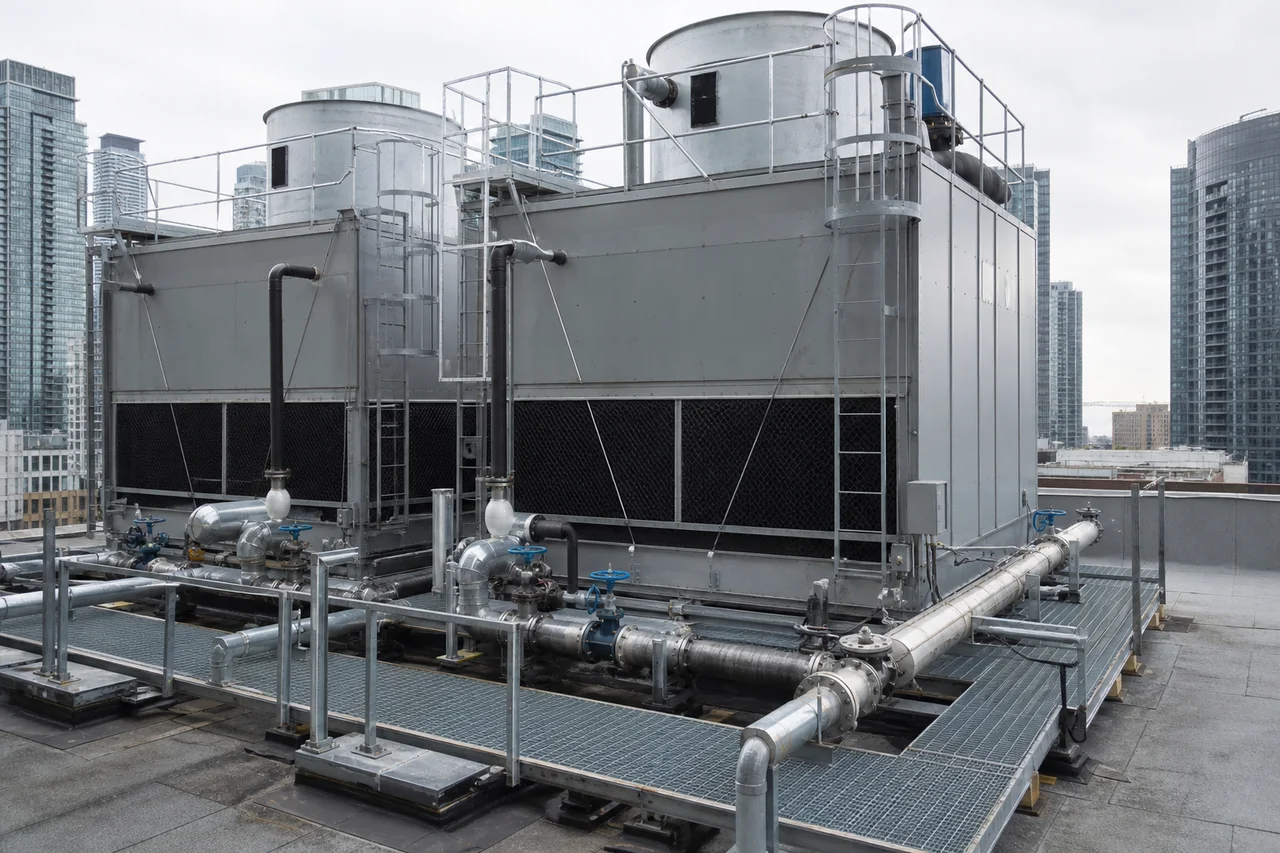
Small losses, spread across hundreds of fixtures, hidden behind one meter.
In a bulk-metered condominium, no individual owner ever sees the consequence of one running fixture.
Continuous losses are often one of the larger controllable items in an operating budget. The repairs are usually simple and inexpensive — the real work is finding the losses and proving afterwards that the bill changed.
Where continuous losses typically originate
- Toilet flappers that no longer seal
- Running or dripping fixtures in suites
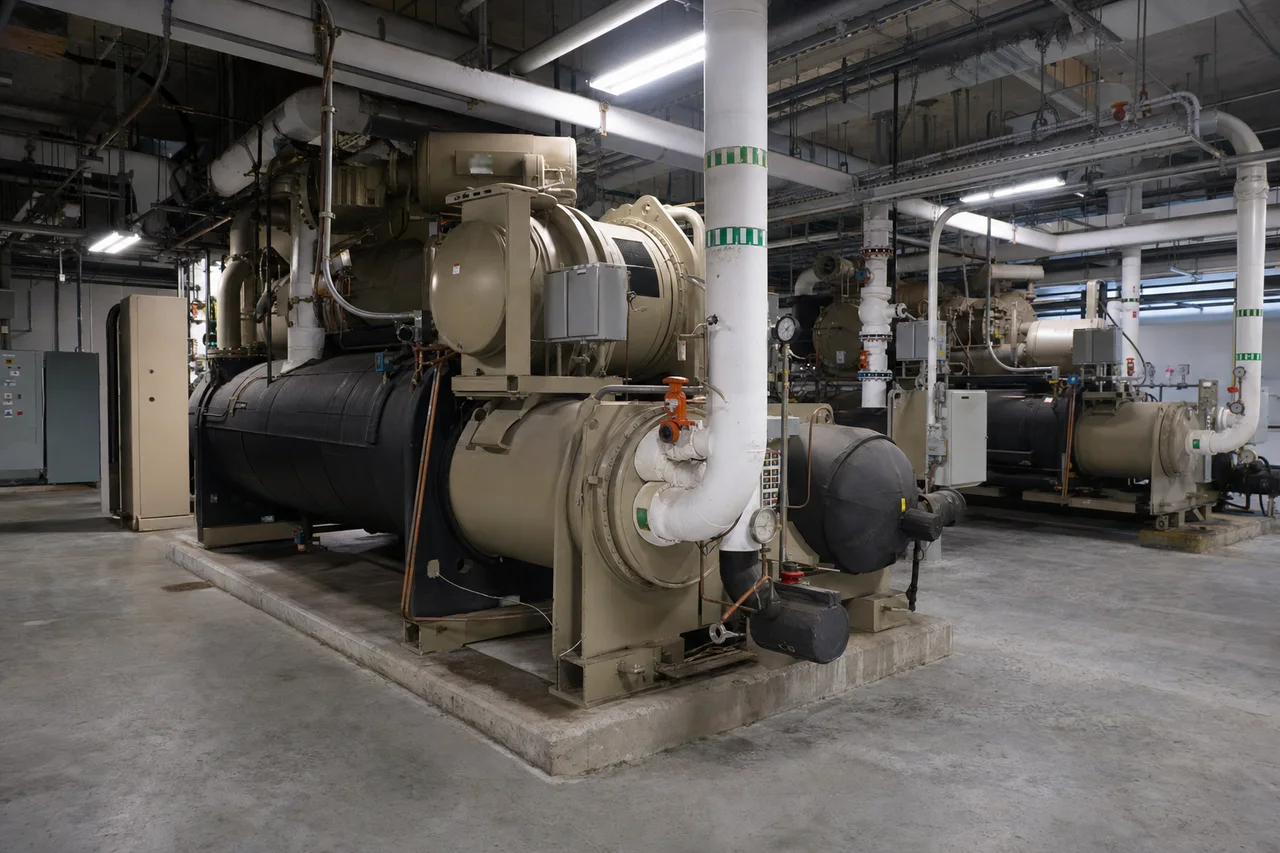
- Heating and condenser-loop make-up water
- Cooling-tower overflow and blowdown
- Humidifier, pool and spa make-up
- Irrigation schedules and damaged heads
- Common-area washrooms and laundry rooms
- Pressure-relief valves passing to drain
- Small continuous mechanical-room leaks
What the water-conservation service covers.
The service is structured so that each stage produces evidence the next stage can act on.
-
2.1
Utility-bill and baseline review
Billing history and building profile establish what consumption should look like.
-
2.2
Metering and flow analysis
Interval data confirms whether the building is losing water continuously.
-
2.3
Common-area and mechanical water use
Fixtures, amenity areas and mechanical make-up water reviewed for waste.
-
2.4
Suite investigation
In-suite losses identified and traced to their source.
-
2.5
Repair planning and savings confirmation
A costed repair scope, with savings verified on the utility account.
One number a month hides the pattern. Interval data shows it.
Interval data reveals the 24-hour pattern a monthly bill hides — including overnight flow that signals continuous loss.
Water conservation is not flood prevention.
The two services use related instrumentation but answer different questions.
Water conservation
Addresses ongoing consumption — water the building buys every day without benefit.
Leak detection & flood prevention
Addresses sudden failure — a burst pipe, a failed sump pump, water where it should not be.
From baseline to verified savings.
The process is deliberately sequential: no repairs before the losses are located, no claimed savings before the utility account confirms them.
Findings and verified results are reported in the same evidence-based format as the rest of our work for boards and property managers across Toronto, Mississauga and the wider GTA.
-
Establish the baseline
Utility history and a building profile define expected consumption.
-
Meter and analyze
Interval flow data, including overnight use, isolates continuous loss.
-
Investigate the losses
Each loss traced to its physical source.
-
Repair and verify
A costed repair scope, with the reduction confirmed on the utility account.
Start with a clear review of your building.
Where the billing profile suggests continuous loss, we propose a metering and investigation scope sized to the building.
Serving Toronto and the Greater Toronto Area.