
Integrated solutions for building performance, risk reduction and asset protection.
ThermoNext helps condominium corporations combine BAS strategy, analytics, water leak detection and continuous reporting into one program across Toronto and the GTA.
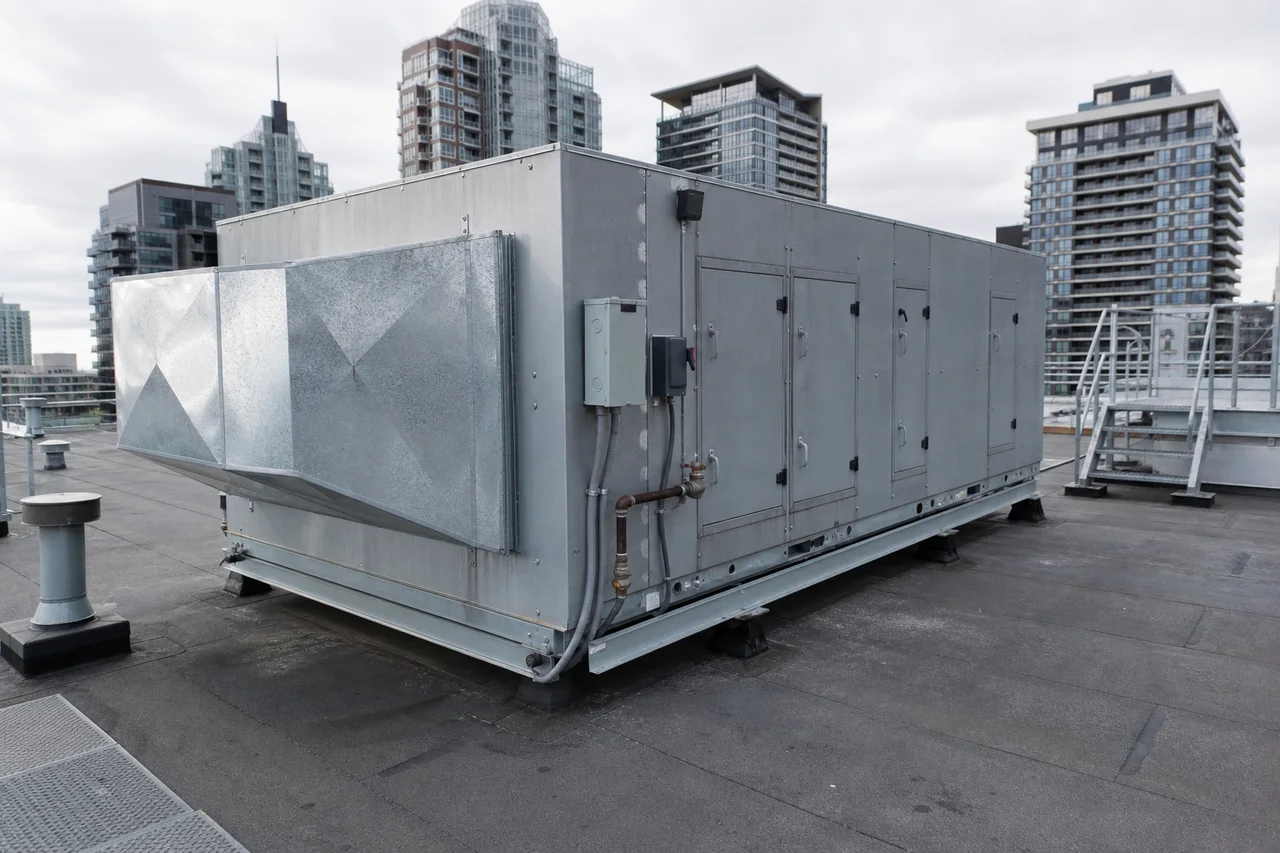
Nine areas of work, one view of the building.
ThermoNext structures its work as nine connected solution areas that share the same data, baseline and reporting cycle.
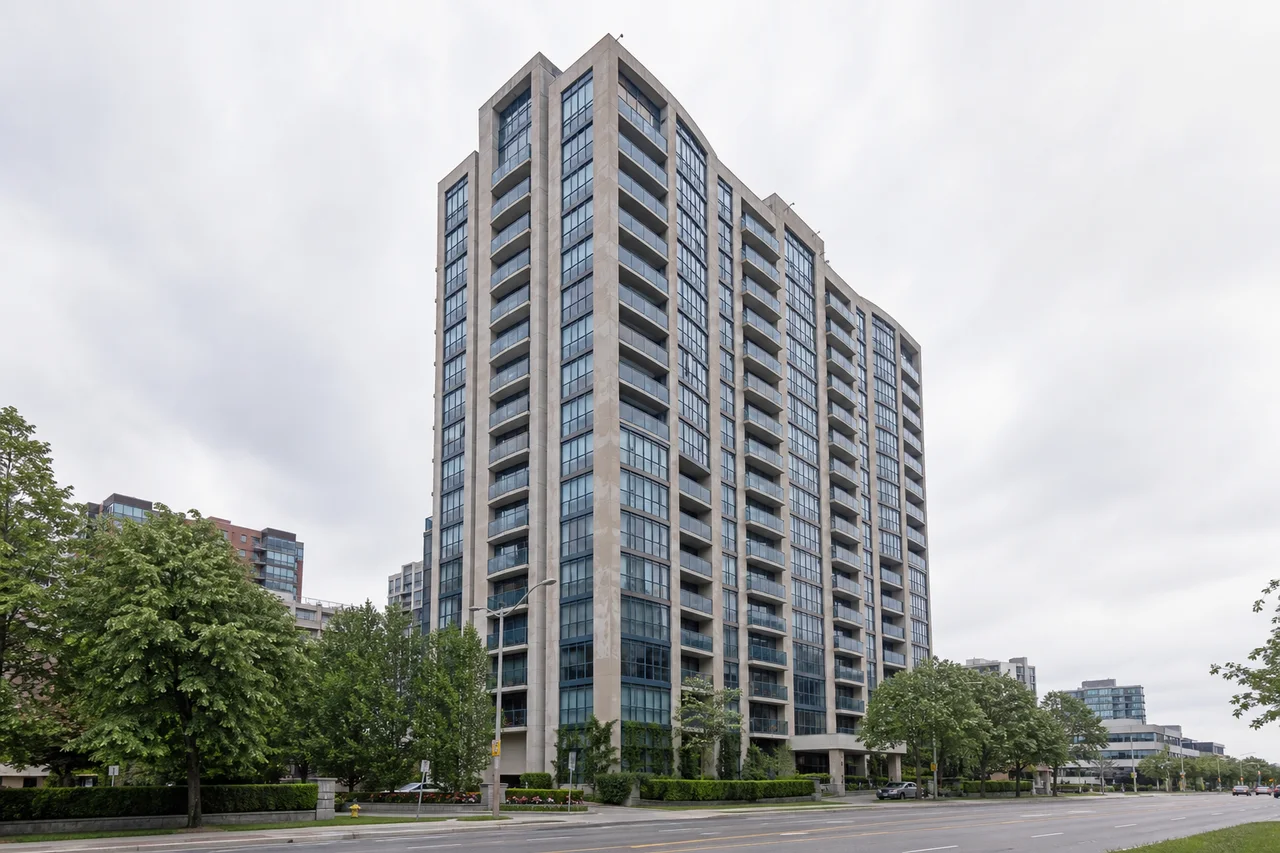
One team reviews energy, water, controls and risk together — use the links below to go directly to a solution area.
Most HVAC savings come from how equipment is operated, not what it is replaced with.
ThermoNext reviews the heating and cooling plant against actual load, weather and BAS trend data.
Typical scope
- Boiler plant optimization
- Chiller plant optimization
- Pump and VFD review
- Makeup-air unit performance
- Energy-waste detection
The cheapest energy is the energy the building stops wasting.
Because settings drift, seasons turn and overrides accumulate, conservation is handled as continuous performance tuning rather than a one-time adjustment.
Typical scope
- Load-based operation
- Occupancy-matched scheduling
- Standby-loss reduction
- Continuous performance tuning
- Verification against the utility account
The building automation system usually knows more than anyone is reading.
Most condominiums in the GTA already own a BAS capable of far more than it currently delivers.
ThermoNext reviews the BAS as an operating asset: what it covers, what it misses and what its data can support.
- BAS point coverage
- Alarm review and rationalization
- Sequence-of-operations review
- Sensor validation
- Automation readiness
Water loss is quiet, continuous and easier to find than most buildings expect.
ThermoNext establishes a building-level water baseline and analyzes consumption to find where water is being lost.
Typical scope
- Building water baseline
- Temporary flow metering
- Leak investigation
- Repair planning
- Savings verification
Reduce water-damage exposure through earlier detection and faster response.
Escaped water is among the most expensive and disruptive events a condominium corporation faces.
The work combines a physical risk review of high-exposure areas with monitoring improvements.
Typical scope
- Mechanical-room risk review
- Sump-pump monitoring
- Leak-sensor placement
- Alarm integration
- Response procedures
Abnormal operation is the earliest and cheapest warning a building gets.
Most equipment failures are preceded by weeks or months of abnormal behaviour.
ThermoNext monitors BAS trends and operating data to flag abnormal operation early.
- Abnormal-operation detection
- Excessive runtime
- Short-cycling
- Equipment stress indicators
- Early-warning conditions
Every utility bill is a monthly test the building either passes or fails.
ThermoNext tracks hydro, natural-gas and water consumption month over month and flags movement operations cannot explain.
What is tracked
- Hydro consumption
- Natural-gas consumption
- Water consumption
- Consumption anomalies
- Benchmarking
Findings only matter if they turn into decisions.
Reports are written for directors first — a clear executive summary, ranked risks and opportunities, and a running action register.
Typical scope
- Executive reports
- Action registers
- Capital-planning input
- Payback analysis
- Risk prioritization
Five stages, repeated for as long as the program runs.
Audit
Establish where the building stands today.
Analyze
Rank savings and risk by value.
Implement
Make approved corrections through existing systems.
Monitor
Catch drift and faults while they are small.
Report
Monthly board results, verified against the utility account.
The engagement starts with an audit and a set of numbers.
Every ThermoNext engagement begins with a preliminary audit of the building’s mechanical systems, BAS and utility history.
What the board receives
- Preliminary building audit
- Measured baseline
- Numbers-based savings proposal
- Payback options
- Ongoing savings verification
Start with a clear review of your building.
A preliminary review establishes which of these solution areas will return the most for your building.
Serving Toronto and the Greater Toronto Area.