
Detect equipment faults and abnormal operation before they become an emergency.
ThermoNext monitors runtime, cycling and temperatures for condominiums across Toronto and the GTA, so problems become planned work instead of emergencies.
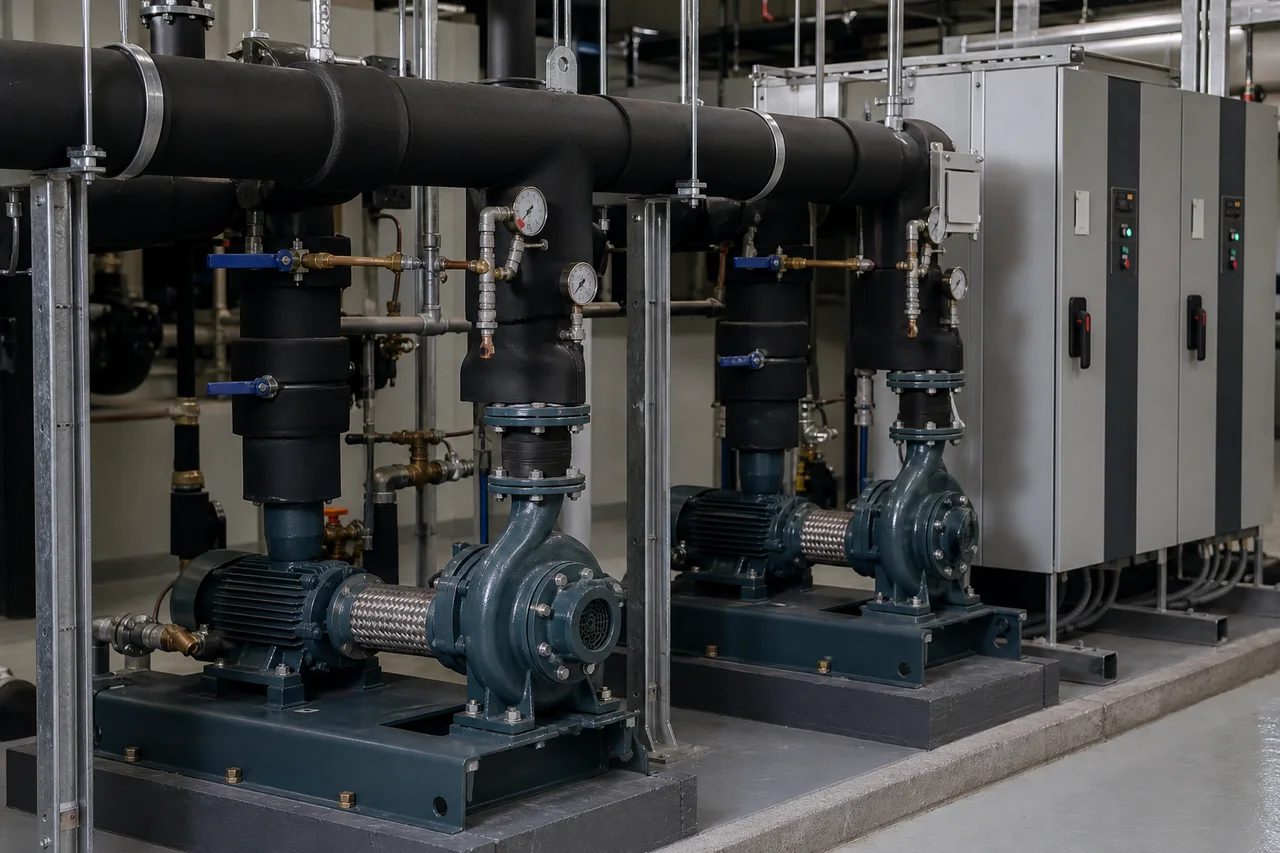
Equipment rarely fails without warning. It fails without anyone watching.
Very few boilers, chillers or pumps stop working out of nowhere.
In most condominium buildings nobody reviews the trends, so the first sign of trouble is a no-heat call or water on the mechanical-room floor.
Short cycling
Frequent starts and stops wear equipment far faster than steady operation.
Drifting temperatures
Temperatures moving away from setpoint are an early sign of a developing problem.
Rising runtime
Equipment running longer to deliver the same output is asking for attention.
Six fault categories, checked continuously.
Connected systems are checked continuously against fault rules tuned to the building.
Runtime & scheduling
- Excessive cycling and runtime
- Off-schedule operation
Controls & instrumentation
- Sensor faults
- Control and valve faults
Performance & condition
- Degraded performance
- Systems working against each other
Every fault is tracked to confirmed resolution.
What a developing failure looks like in the data.
As a pump’s bearings wear, runtime creeps upward long before anything alarms. Catching that trend early makes the fix planned work instead of a failure in February.
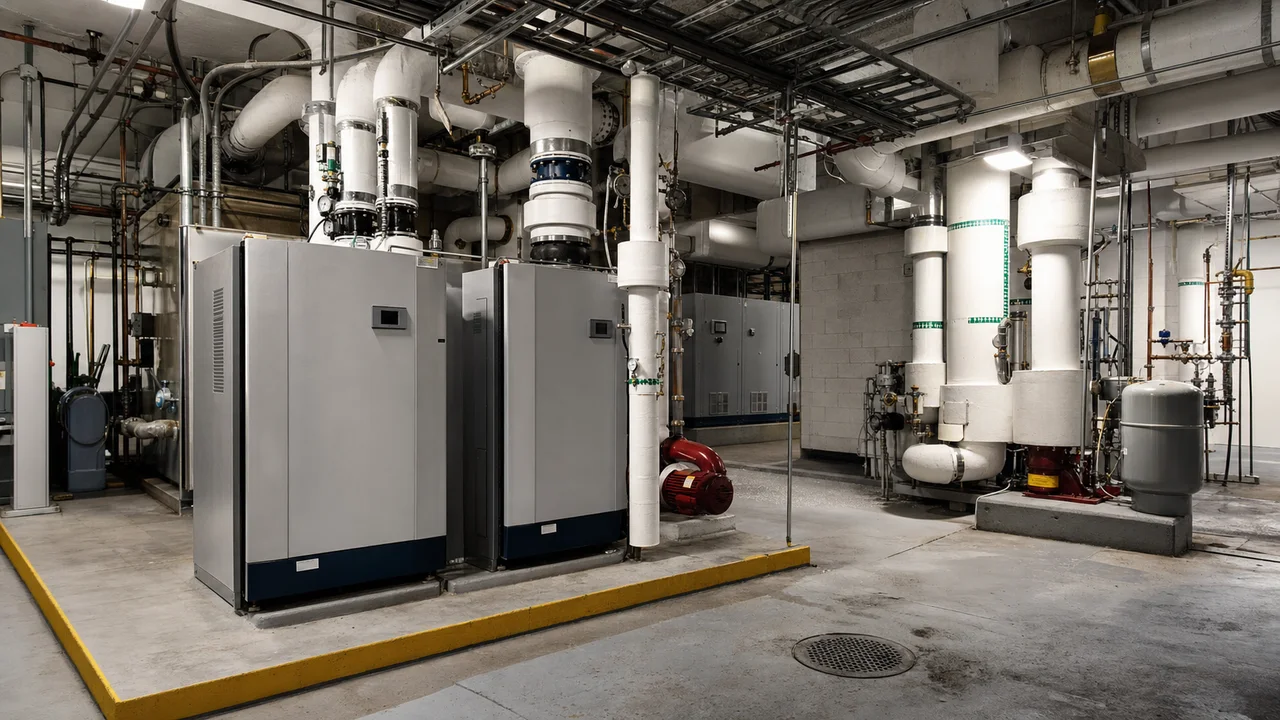
Protection for the asset, not just alarms for the equipment.
Asset protection adds the longer record — maintenance history, inspections and accumulated stress — so the board knows the true condition of its equipment.
-
4.1
Operating-condition review
Operating data reviewed against the equipment’s own history.
-
4.2
Maintenance-record review
Completed maintenance compared against what the equipment requires.
-
4.3
Inspection logs
Condition observations kept in one place and compared over time.
-
4.4
Contractor-service history
What was repaired, when, by whom and at what cost.
-
4.5
Recurring-fault tracking
Faults that return are flagged and escalated.
-
4.6
Equipment stress indicators
Which assets are aging faster than the calendar suggests.
-
4.7
Capital-priority support
Condition evidence assembled into a form the condo board can act on.
Repeated faults are evidence, not anecdotes.
Sooner or later every major asset reaches the replace-versus-repair question.
A documented fault and condition history gives the board a factual basis for the decision. ThermoNext carries that evidence into board reporting.
What the replace-versus-repair case draws on
- Documented fault history
- Repair frequency and cost
- Runtime and cycling totals
- Inspection observations
- Remaining-service-life context
Start with a clear review of your building.
A preliminary review establishes which systems can be monitored with the trends your BAS already records.
Serving Toronto and the Greater Toronto Area.