
Clear technical reporting for better board decisions.
ThermoNext turns operating data and contractor records into reporting condominium boards in Toronto and the GTA can actually use.
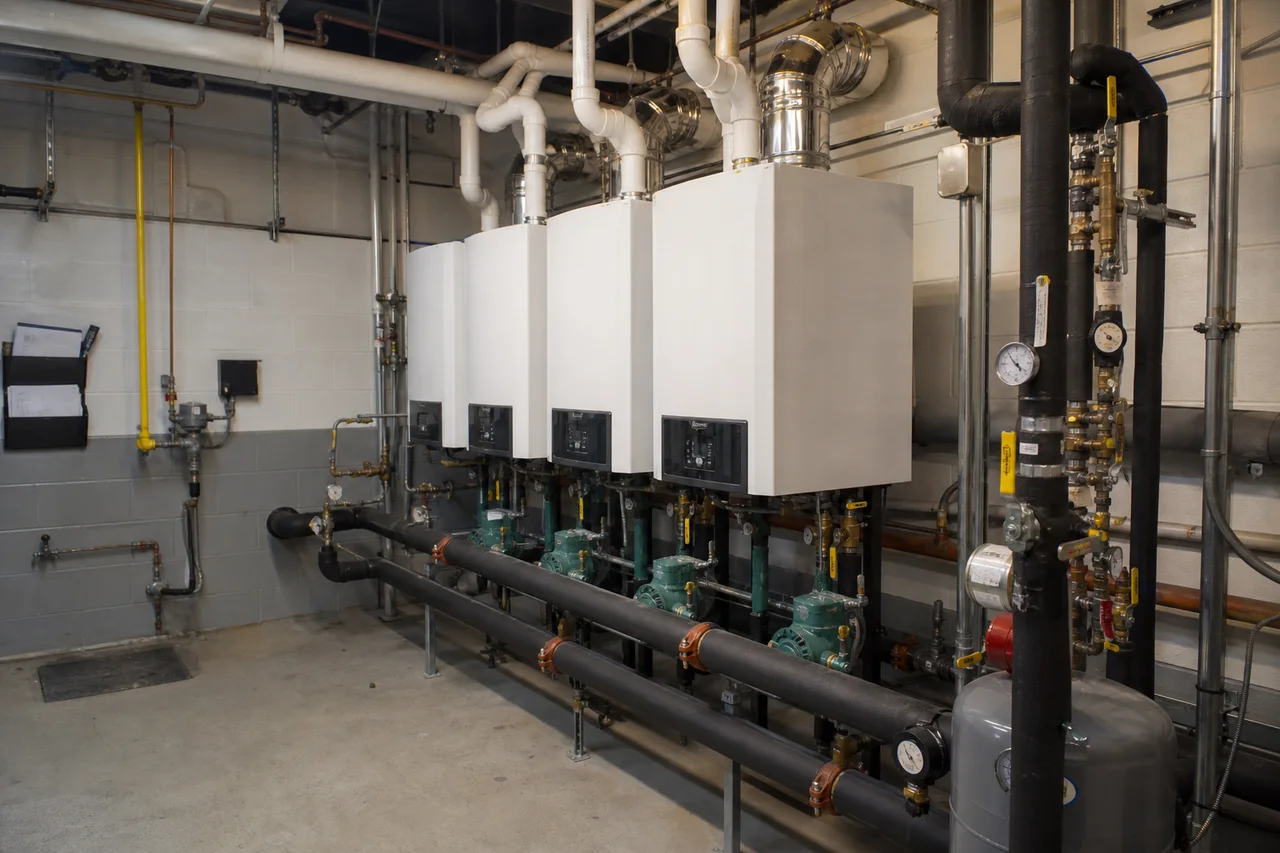
A consistent monthly record of how the building is performing.
Every month, the board and property manager receive one report covering the state of the building’s major systems.
The report is written for non-technical readers first, in a format consistent from month to month.
What each monthly report covers
- Building-performance status
- Energy and water movement against baseline
- Faults found, resolved and outstanding
- Open risks, ranked by priority
- Completed and outstanding actions
- Savings progress and payback status
- Contractor follow-up and closure
- Equipment concerns and observations
- Photographs and supporting evidence
- Notes for management
Status at a glance, before the first paragraph.
The contents page carries a status marker for every section, so a director knows where things stand before reading the body.
| Report section | Status this month |
|---|---|
| 1.0 Executive summary | No urgent items |
| 2.0 Building-performance status | Systems on baseline |
| 3.0 Energy and water movement | Gas use above baseline |
| 4.0 Faults and abnormal operation | Two items open |
| 5.0 Open risks | One item flagged urgent |
| 6.0 Actions and contractor follow-up | In progress |
| 7.0 Savings and verification | Tracking to estimate |
| 8.0 Capital outlook | One item advanced for review |
Green means performing as expected; amber, being watched; red, a decision needed; blue, in progress. Every marker is backed by evidence.
The reserve-fund study sets the schedule. Operating evidence refines it.
Reserve-fund studies are the foundation of condominium capital planning, but they rest on assumed service lives.
Equipment showing stress moves up the list; equipment past its nominal service life but performing well can often wait. That matters most in older buildings across Toronto and the GTA.
An independent read on contractor proposals — before the vote.
When a proposal reaches the board, it is usually written by the party who will do the work — ThermoNext reviews it as the party who will not.
ThermoNext sells no equipment and takes no commission, so nothing in the review depends on whether the work proceeds.
What the review covers
- Scope matched to the documented problem
- Like-for-like comparison of competing bids
- Long-term operating cost, not just installed price
- Repair, refurbishment and deferral alternatives
Findings explained in the boardroom, in plain language.
ThermoNext presents directly to boards, in person across Toronto and the GTA or by video, when a significant decision is on the agenda.
A presentation walks the board through the finding, the evidence, the realistic options and the risks. Directors put their questions to the engineer who did the analysis.
Questions boards ask about reporting and capital planning.
How long is a monthly report?
Long enough to be useful, short enough to be read; supporting detail sits in appendices.
Can ThermoNext present to our board directly?
Yes. ThermoNext presents findings at board meetings across Toronto and the GTA, in person or by video.
Do you replace our reserve-fund study?
No. The reserve-fund study remains the foundation of capital planning; ThermoNext complements it with operating evidence between updates.
Start with a clear review of your building.
A preliminary review establishes the baseline your first board report is measured against.
Serving Toronto and the Greater Toronto Area.