
Reduce energy waste without compromising comfort or equipment protection.
ThermoNext reviews how your plant genuinely operates — schedules, setpoints, staging and runtime — and corrects the waste.
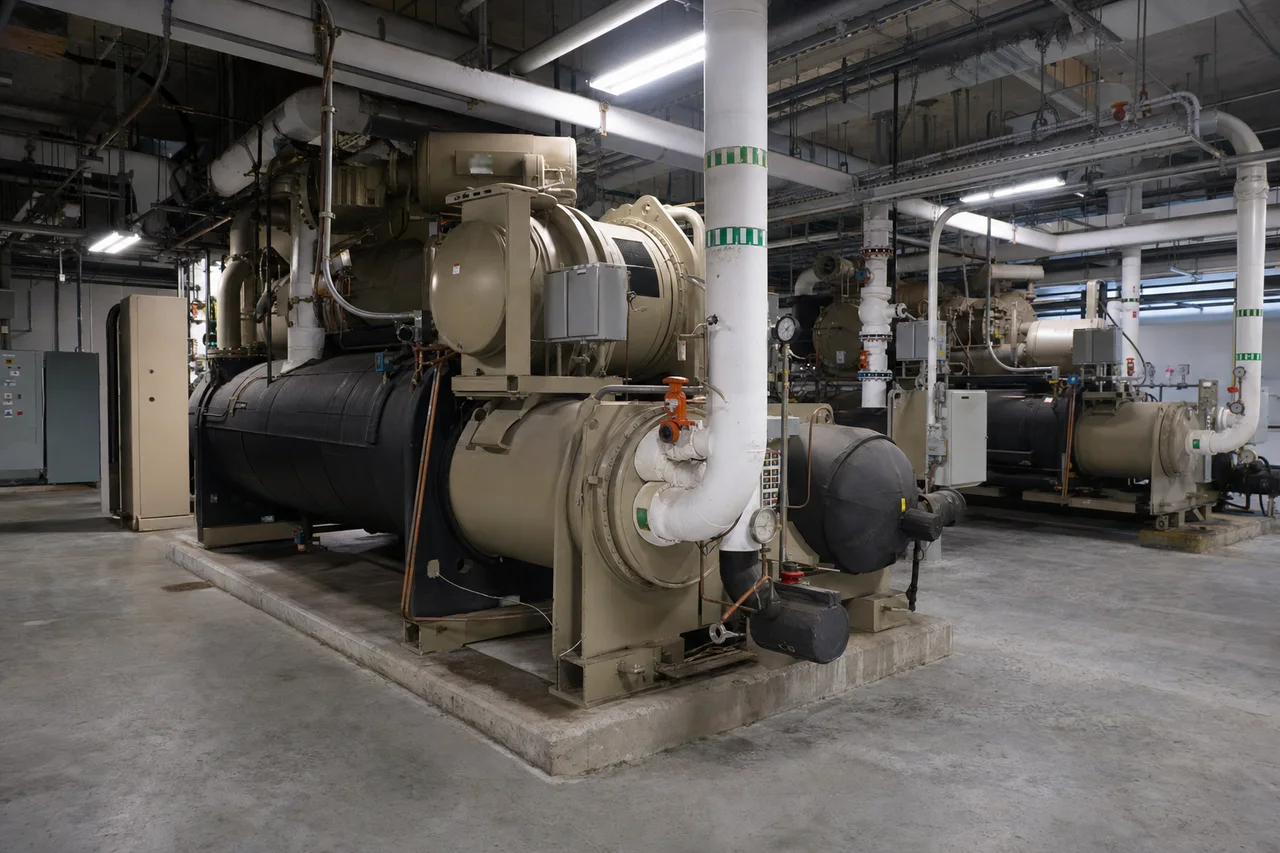
The whole plant, not one piece of equipment.
Energy waste accumulates across heating, cooling, ventilation, pumping and domestic hot water — so the review covers the plant as a system.
Heating plant
- Boilers and burners
- Hydronic heating loops
- Heat exchangers
- Reset curves and staging
- Glycol and perimeter loops
Cooling plant
- Chillers
- Cooling towers
- Condenser-water loops
- Staging and setpoints
- Seasonal changeover
Ventilation
- Makeup-air units
- Supply and exhaust fans
- Discharge-temperature control
- Operating schedules
- Corridor pressurization
Pumps and drives
- Circulating pumps
- VFDs and speed control
- Lead-lag rotation
- Differential-pressure control
- Pump scheduling
Domestic hot water
- DHW boilers and storage
- Recirculation loops
- Storage and delivery temperatures
- Mixing valves
- Recirculation pump operation
Schedules and setpoints
- Occupied and unoccupied periods
- Holiday and weekend schedules
- Space and loop setpoints
- Heating and cooling enable points
- Active overrides
Where the waste usually hides.
The same waste appears again and again in condominium buildings across Toronto and the GTA — even well-maintained ones.
-
2.1
Equipment running far longer than the building needs
-
2.2
Plants producing more heating or cooling than the weather calls for
-
2.3
Systems quietly working against each other
-
2.4
Settings drifted far from design intent over years of service
Deliberate, reversible, documented.
Optimization is a sequence of small, reversible adjustments — each agreed in advance and watched afterwards.
Comfort and equipment protection are constraints, not variables.
-
Review how the plant actually runs
-
Agree safe operating limits with management
-
Implement reversible changes through your contractor or BAS
-
Monitor, verify and report the savings
Savings you can show the board, not just claim.
Verification uses a method a board member can follow.
Savings are measured against a weather-normalized baseline built from the building’s own utility history, so a mild winter is never mistaken for a saving. Tracking continues after verification so the board can see the result holds.
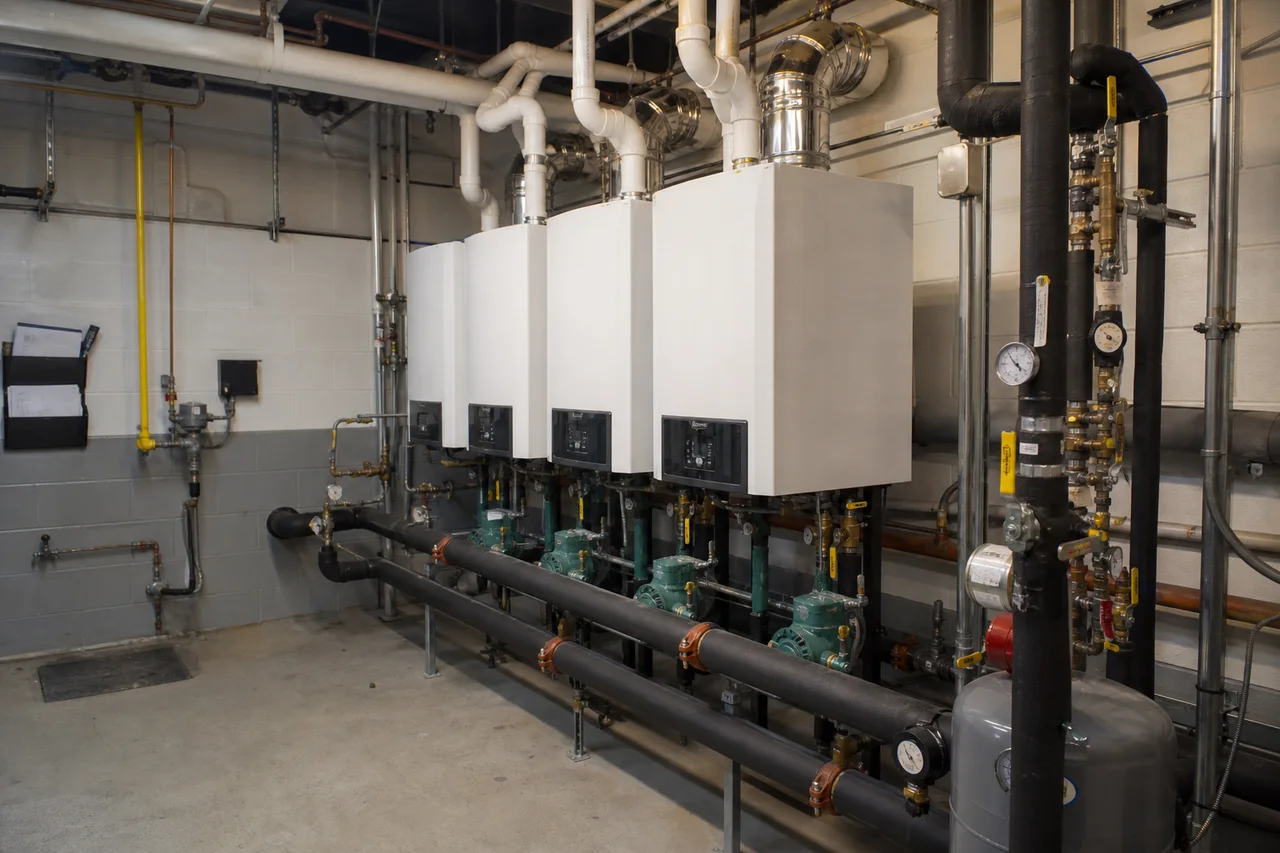
Questions boards and managers ask.
Will optimization affect resident comfort?
No. Safe limits are agreed with management first, and any change that causes complaints is reversed.
Do we need new equipment?
Usually not. Most early findings are corrected through the existing BAS and contractors at little or no capital cost.
How are savings verified?
Consumption is compared against a weather-normalized baseline built from past utility history, and the difference is reported to the board.
What does the BAS contractor do versus ThermoNext?
ThermoNext specifies and verifies the changes; your incumbent BAS or mechanical contractor implements them.
Start with a clear review of your building.
A preliminary review of your BAS trends, schedules and utility history shows whether meaningful optimization headroom exists.
Serving Toronto and the Greater Toronto Area.